

The Nature of Luck in Gambling
Luck is often perceived as an integral part of the gambling experience, especially in games that rely heavily on chance, such as slots and roulette. Players frequently attribute their wins to a fortunate turn of fate, while losses are often cast aside as a result of bad luck. This belief in luck can have a profound psychological impact on players, shaping their betting strategies and overall approach to gambling. Additionally, some players look for fast withdrawal casinos to enhance their gaming experience, believing that quicker access to their winnings can further boost their sense of luck. When players win, they often feel a rush of excitement linked to their perceived good fortune, even though the outcomes of these games are fundamentally random and governed by chance.
Additionally, the interpretation of luck can differ widely among individuals. Some players may carry talismans or wear specific clothing, convinced that such rituals enhance their odds. Superstitions are rampant in gambling cultures; for example, certain numbers are considered lucky, while specific times of day are seen as more auspicious for playing. These beliefs contribute to a vibrant casino atmosphere where players exchange tips and anecdotes about their lucky charms and practices, fostering a community built around the shared experiences shaped by the notion of luck.
However, it’s crucial to remember that while luck can influence individual outcomes at the casino, the games themselves operate on well-established mathematical principles. Each game is designed with a house edge that guarantees the casino’s profitability over time, which means that luck may only provide a temporary advantage. Ultimately, while luck can enhance the thrill of the gambling experience and lead to occasional wins, it should be viewed as one aspect of a broader entertainment experience rather than a reliable pathway to success.
The Psychology Behind Gambling and Luck
The psychological factors at play in gambling are significant in shaping how players perceive and interact with luck. Cognitive biases, such as the illusion of control, often lead individuals to mistakenly believe they have more influence over game outcomes than they realistically do. For instance, players might feel convinced that their strategy can sway the results in games that are primarily luck-based, such as slots or roulette. While this belief can amplify enjoyment, it also poses risks, leading to overconfidence and potentially detrimental financial decisions.
Moreover, the excitement associated with the prospect of a lucky outcome can create a reinforcing cycle. When players experience small wins attributed to luck, they may feel emboldened to increase their bets, hoping for even greater rewards. This reaction can be perilous, as it can foster gambling addiction and considerable financial losses. Recognizing the psychological dimensions of luck is essential for players, enabling them to manage their expectations and maintain a healthier relationship with gambling.

The thrill surrounding the possibility of a lucky break is a major draw for many casino-goers. Establishments often market themselves by highlighting the chances of winning big, showcasing stories of past jackpot winners to create a sense of excitement. This marketing strategy can heighten the allure of luck, making players feel that their own moment of triumph may be just around the corner. The unpredictability of gambling is what makes it so captivating, as luck can drastically alter one’s experience in a fleeting moment.
The Role of Skill vs. Luck in Casino Games
In the diverse realm of casino games, the distinction between skill and luck is a vital consideration. Games like poker and blackjack require a considerable amount of skill and strategic thinking, while others, such as slot machines, rely almost exclusively on luck. However, even in games that are predominantly skill-based, luck remains a crucial factor; a player with a solid strategy may still encounter unforeseen outcomes that can turn the tide of their game. Understanding this complex interplay between skill and luck is essential for players aiming to improve their chances of success in a casino setting.
For instance, skilled poker players often develop strategies that account for the psychological dynamics of their opponents, the strength of their hands, and the betting trends around the table. Yet, despite their expertise, they cannot control the cards they are dealt, which introduces an element of randomness dictated by luck. This intersection of skill and luck adds depth to the gambling experience, resulting in both elation during winning streaks and frustration when luck is not on their side.
The influence of luck on gambling can also spark debates regarding whether gambling is purely a form of entertainment or a serious investment strategy. Some players approach gaming with analytical precision, treating sessions as significant endeavors, while others view them as casual pastimes. This variation in attitude underscores how luck can shape a player’s motivation, behavior, and overall satisfaction within the casino environment.
Strategies for Managing Expectations and Luck
Given the unpredictable nature of luck in gambling, managing expectations is essential for ensuring a positive gaming experience. Players should enter casinos with clearly defined limits and budgets to mitigate the adverse effects of chasing after luck. By establishing these boundaries, individuals can relish the excitement of gaming without succumbing to the financial pressures that often accompany unrealistic hopes for winning. Such an approach fosters a more enjoyable and sustainable gambling experience.
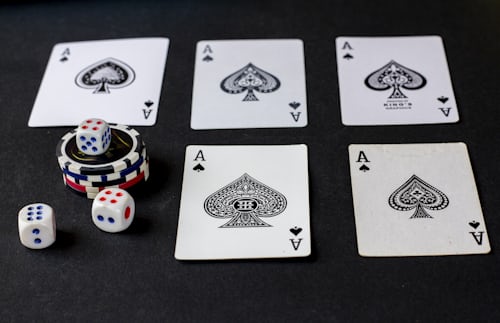
Furthermore, accepting that luck is merely one element in a complex equation of strategy and chance can help players maintain a balanced perspective. It encourages them to focus on the entertainment value of gambling rather than fixating solely on the outcomes. Engaging in games for enjoyment rather than as a desperate pursuit for profits can lead to a more fulfilling experience, reducing the likelihood of disappointment that sometimes accompanies losses.
Utilizing educational resources, such as workshops or online content on responsible gambling, can also provide players with valuable insights into the dynamics of luck and skill in casinos. Such resources empower individuals to make informed decisions, employ strategies effectively, and recognize the signs of problematic gambling. A responsible approach ensures that the thrill of luck enhances, rather than detracts from, the overall experience.
Exploring More on Casino Experiences Online
For those eager to explore the nuances of the casino world, understanding the balance between luck and skill, as well as discovering effective strategies, a wealth of resources can be found online. Websites dedicated to gambling education offer insights into various games, strategies, and responsible gaming practices. These resources can significantly enhance players’ knowledge, enabling them to navigate the intricate landscape of luck versus skill more adeptly.
Additionally, engaging with online communities can provide a supportive atmosphere where individuals share their experiences and strategies. Forums and social media groups often host discussions on lucky moments, tips for enhancing gaming skills, and mutual encouragement for responsible gambling practices. By connecting with others, players can cultivate a sense of belonging while making informed choices about their casino experiences.
Ultimately, whether luck plays a prominent role in a player’s casino experience or not, the primary focus should be on enjoyment and entertainment. Grasping the complexities of luck and skill can enrich one’s gaming sessions, paving the way for memorable experiences. Embracing the excitement of chance while maintaining a responsible approach can lead to a rewarding and fulfilling journey in the realm of casinos.