

Understanding the Essentials of Casino Design
Casino design plays a pivotal role in shaping the overall player experience, merging aesthetic appeal with functional considerations. The layout of a casino is meticulously crafted to guide players through the space, often utilizing a maze-like arrangement that entices visitors to explore further. Elements such as lighting, color schemes, and signage are strategically selected to evoke specific emotions and enhance the excitement of gaming, with many opting for the best online pokies that offer thrilling experiences and eye-catching graphics. For instance, bright flashing lights and vibrant colors can stimulate energy levels, making players feel more engaged and willing to continue playing.
Moreover, the design must ensure that the flow of movement within the casino is intuitive, allowing patrons to easily navigate through various gaming areas. This is achieved through careful placement of gaming tables and slot machines, which not only optimize space but also create a sense of urgency and excitement. By positioning high-stakes games in prime locations, casinos can attract players’ interest while ensuring that these high-earning areas are easily accessible. Such design strategies ultimately contribute significantly to the overall enjoyment and satisfaction of the gaming experience.
Additionally, casinos often enhance their environments by incorporating themes that resonate with guests. From luxurious architectural designs that evoke a sense of grandeur to playful motifs that cater to a more casual atmosphere, these themes create a unique identity for each establishment. For example, a casino themed around ancient civilizations might utilize decor and gaming options that reflect that theme, providing a more immersive experience for players. This attention to detail fosters a deeper emotional connection between players and the casino, encouraging repeat visits and increasing loyalty.
The Role of Ambiance and Atmosphere
The ambiance of a casino is another critical aspect that significantly influences player experience. From the moment someone steps inside, they are greeted with a carefully curated atmosphere designed to immerse them in a world of entertainment. Elements such as sound, lighting, and even scent play a crucial role in this experience. For example, the sounds of clinking coins, cheerful electronic music, and the soft murmur of excited players create an engaging auditory environment that heightens the thrill of gaming.
Furthermore, casinos typically employ ambient lighting to create mood and stimulate interaction among players. Dim lighting can encourage a sense of intimacy and excitement, while strategic spotlights can highlight specific gaming areas or promotional events. Such deliberate use of lighting enhances the overall gaming experience by making areas more inviting and encouraging players to linger longer. This environmental manipulation can lead to increased spending by players who remain engaged and entertained.
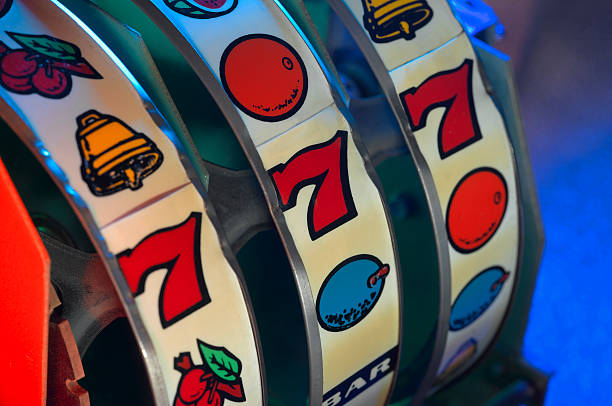
In addition to sound and lighting, scent marketing is increasingly recognized as a powerful tool to enhance player experience in casinos. The use of specific scents can evoke positive emotions and memories, subconsciously encouraging guests to enjoy their time more. For example, a sweet, inviting fragrance may create a comfortable and welcoming atmosphere, making patrons feel more at ease. This sensory integration works together to create a holistic experience, reinforcing the casino’s theme and enhancing player satisfaction.
Designing for Comfort and Convenience
Comfort plays an essential role in influencing a player’s willingness to stay and engage within a casino environment. High-quality seating, spacious layouts, and adequate amenities can significantly enhance the overall experience. Casinos often invest in ergonomic furniture that promotes relaxation and prolongs game-play duration. Comfortable seating arrangements that allow for social interaction or private gaming experiences cater to diverse preferences, ensuring that players feel welcomed regardless of how they choose to engage.
In addition to seating, the availability of food and beverage services significantly impacts player experience. Casinos that provide easy access to dining options and cocktail services create an inviting atmosphere where players can indulge without leaving the gaming floor. For instance, a casino that offers a range of dining experiences—from quick snacks to gourmet meals—ensures that players have the fuel they need to enjoy long gaming sessions. Such conveniences foster a sense of hospitality that encourages return visits.
Moreover, casino design must also accommodate various player demographics, including high rollers and casual gamers. Creating distinct areas for different types of players can enhance the experience by ensuring that individuals feel comfortable within their preferred gaming environment. For example, high-stakes rooms may offer a more refined ambiance with attentive service, while more casual gaming areas can feature a lively, social atmosphere. By recognizing and accommodating diverse player needs, casinos can create a more inclusive and enjoyable experience for all guests.
Technology Integration in Casino Design
As technology continues to evolve, its integration into casino design has become increasingly significant. Many modern casinos are embracing innovative technologies to elevate the gaming experience. For instance, interactive displays and digital signage provide real-time information about games, promotions, and events, enhancing the player experience. These technologies not only inform players but also create an engaging visual landscape that captures attention and encourages exploration.
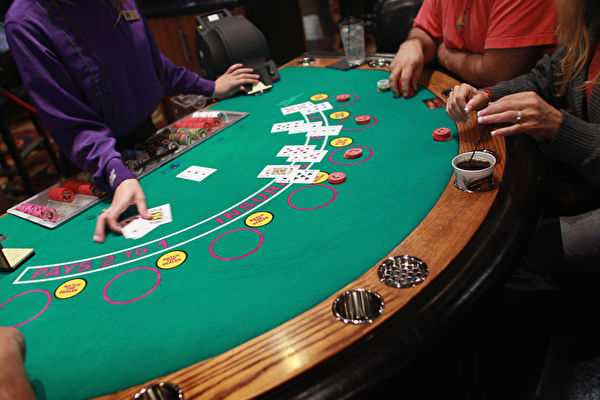
Furthermore, the rise of mobile and online gaming options has prompted casinos to rethink their physical spaces. Some establishments now offer hybrid experiences where traditional gaming merges seamlessly with digital platforms. For example, players may use mobile apps to place bets, receive rewards, or participate in exclusive promotions while on the casino floor. This innovative integration of technology allows casinos to create a more personalized and engaging experience for players, catering to those who prefer convenience without sacrificing the excitement of live gaming.
Incorporating virtual reality (VR) and augmented reality (AR) into casino design presents exciting opportunities for enhancing player engagement. These technologies can create immersive gaming experiences that transport players into different worlds, making traditional games feel fresh and exhilarating. Furthermore, by leveraging these technologies, casinos can appeal to younger demographics who are more accustomed to digital interactions. Such forward-thinking design strategies ensure that casinos remain relevant in an ever-evolving entertainment landscape.
Creating Lasting Impressions on Players
The design of a casino not only influences the immediate player experience but also leaves a lasting impression that can drive future visits. Factors such as customer service, aesthetics, and overall atmosphere contribute to a player’s perception of the establishment. A beautifully designed casino that prioritizes customer experience can create a strong brand image and encourage positive word-of-mouth referrals, an invaluable asset in a competitive market.
Moreover, creating unique features or experiences can help casinos stand out and foster brand loyalty. An interactive art installation or a themed gaming event can make a lasting impact on guests, encouraging them to share their experiences with others. The more memorable the experience, the more likely players are to return or recommend the casino to friends and family. This word-of-mouth marketing serves to enhance the casino’s reputation and attract new customers.
Additionally, as casinos invest in design, it becomes essential to gather feedback from guests to refine and improve their offerings continually. Engaging with players to understand their preferences and expectations can provide valuable insights into how design impacts their experience. By showcasing a commitment to improvement and guest satisfaction, casinos can build strong relationships with their clientele, ensuring loyalty and repeat business for years to come.